Buying Guides

How to Choose a Business Backpack for Work Commuting and Short Trips

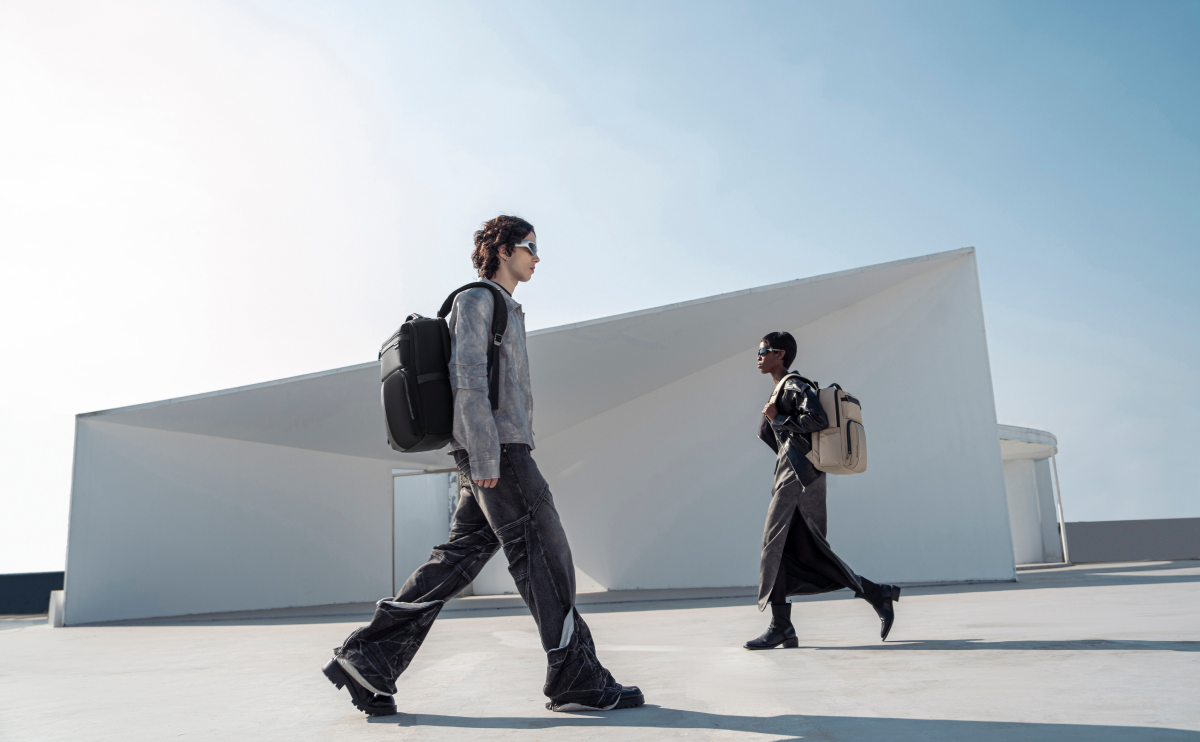
One Backpack for Different Parts of the Day

A modern business backpack often needs to work across several situations in a single day. It may be used during the morning commute, carried into the office, taken to a business meeting and later placed on a train or flight.

Choosing the right backpack is therefore not only about capacity. Laptop protection, internal organization, carrying comfort, material performance and professional appearance all matter.

1 Start with Your Laptop and Daily Essentials
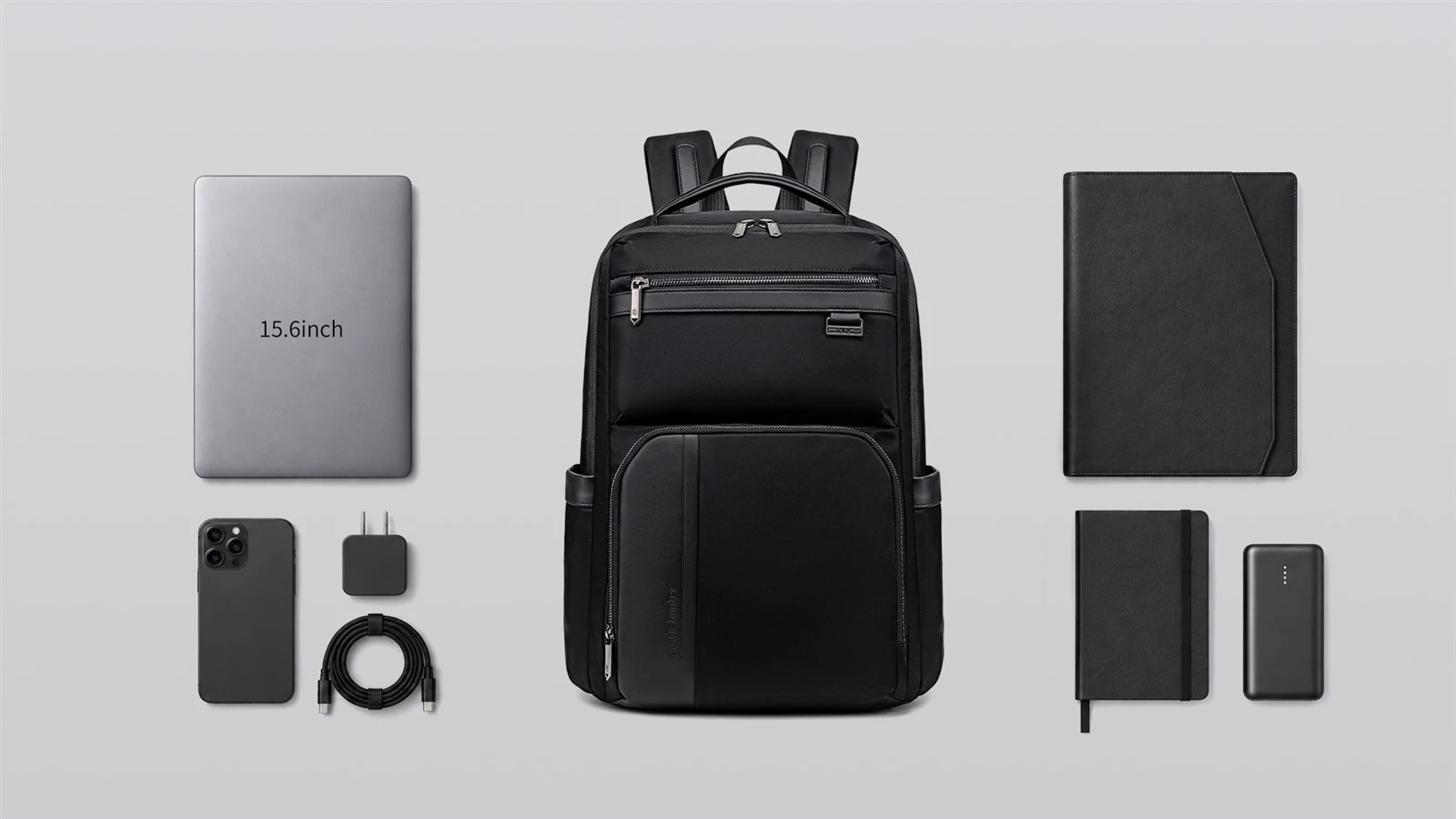
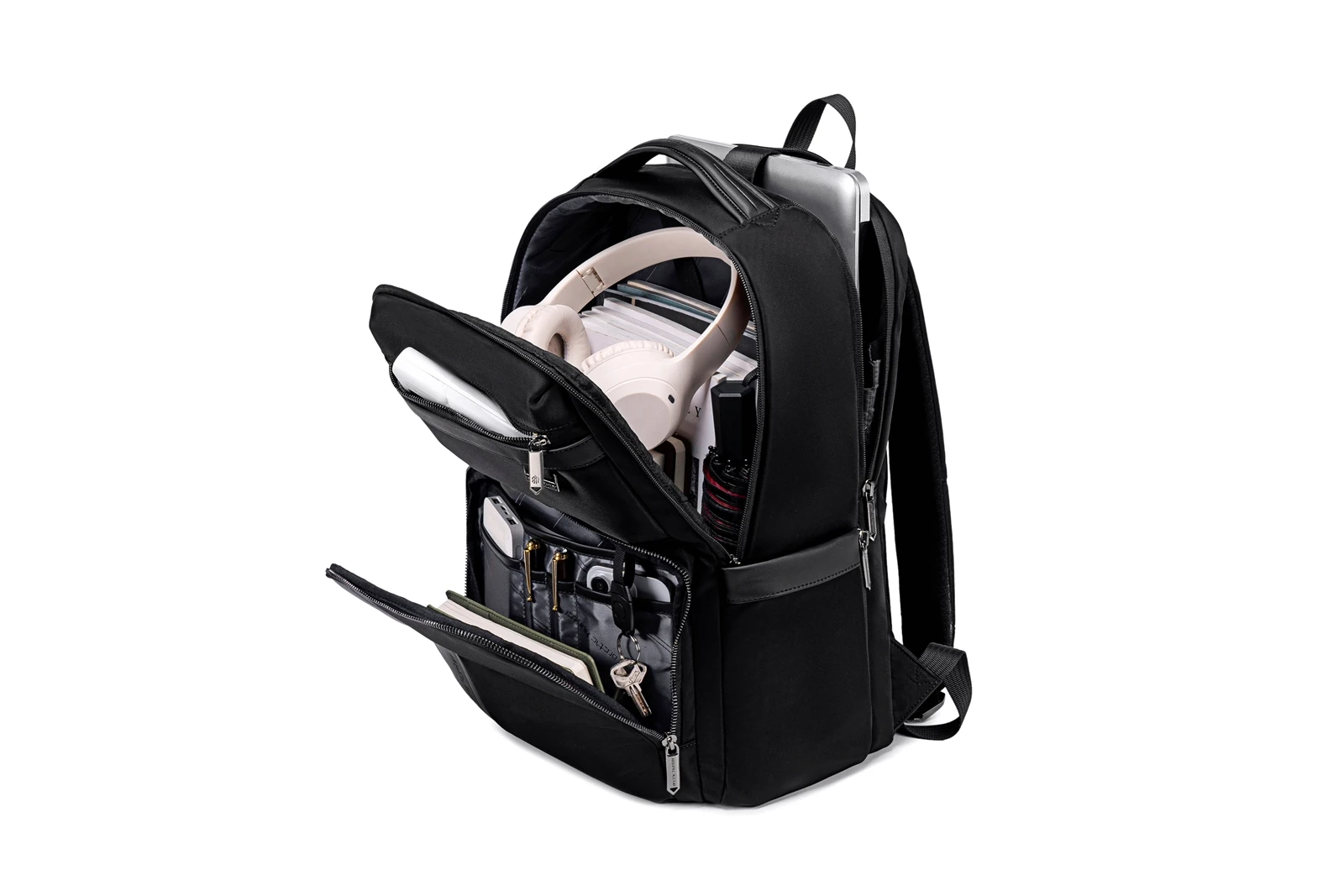
The laptop compartment is one of the most important parts of a business backpack. Before choosing a bag, confirm the size of the laptop it needs to carry. A well-designed compartment should hold the device securely and separate it from chargers, documents and other items.

If you regularly carry a tablet, power bank, mouse or other electronic accessories, additional compartments can help keep them organized and reduce contact between devices.

2 Look for Practical Organization

A large main compartment is useful, but capacity without organization can make everyday items difficult to find. A practical business backpack should provide dedicated spaces for frequently used belongings, such as:

  • Laptop and tablet
  • Documents and notebooks
  • Chargers and cables
  • Mobile phone
  • Wallet and keys
  • Water bottle
  • Personal items

Quick-access pockets are particularly useful during commuting and business travel. They allow smaller items to be reached without opening the entire backpack.

3 Consider Carrying Comfort

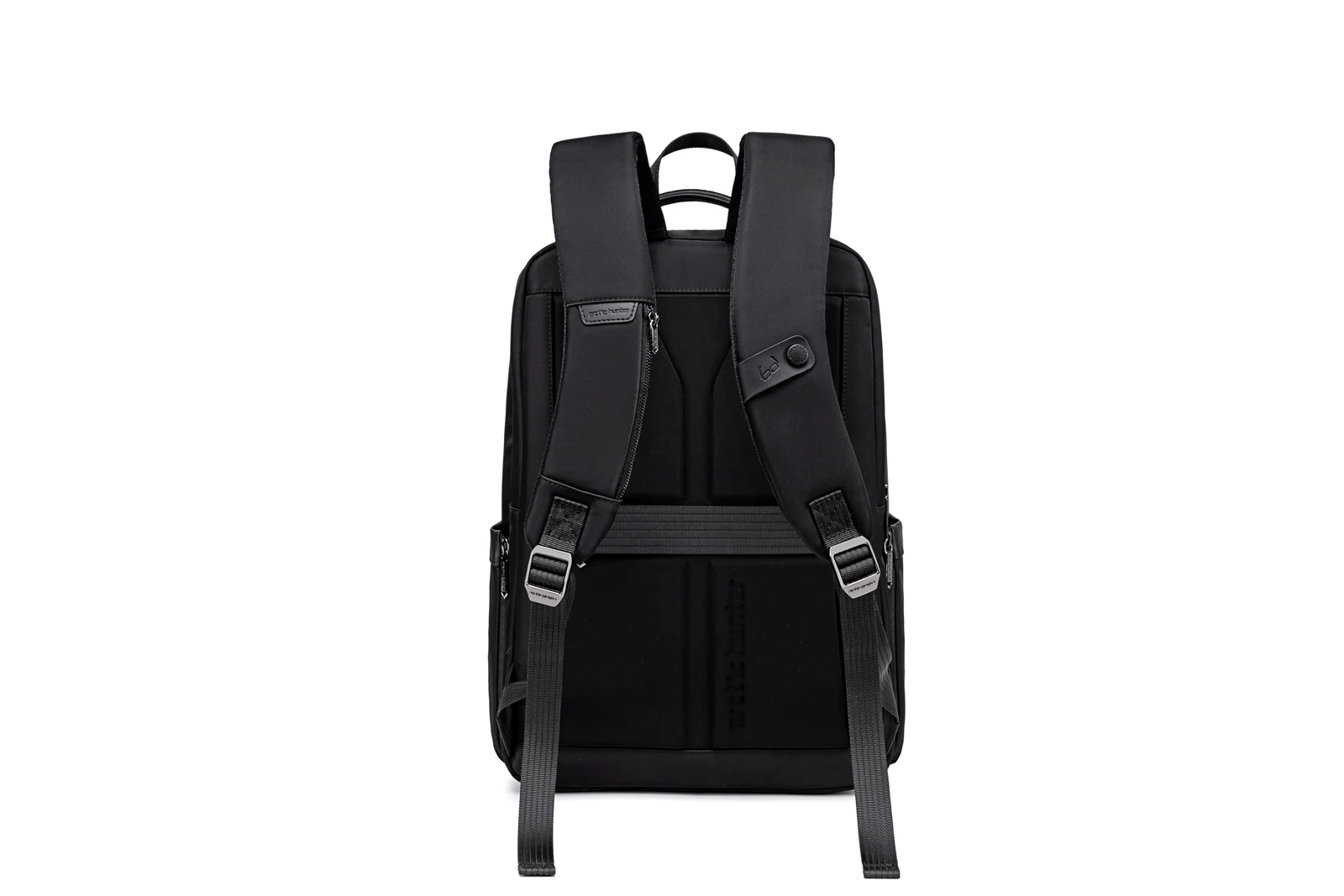
Even a well-organized backpack can become uncomfortable when fully loaded. Padded shoulder straps, a structured back panel and balanced weight distribution can improve comfort during longer journeys. Adjustable straps also help users position the backpack correctly according to their height and carrying habits.

For people who regularly carry a laptop and documents, the structure of the back panel is just as important as the amount of padding.

4 Choose Materials for Regular Use

Business backpacks are frequently placed on office floors, train luggage racks and airport security trays. Materials should therefore be selected for regular use rather than appearance alone.

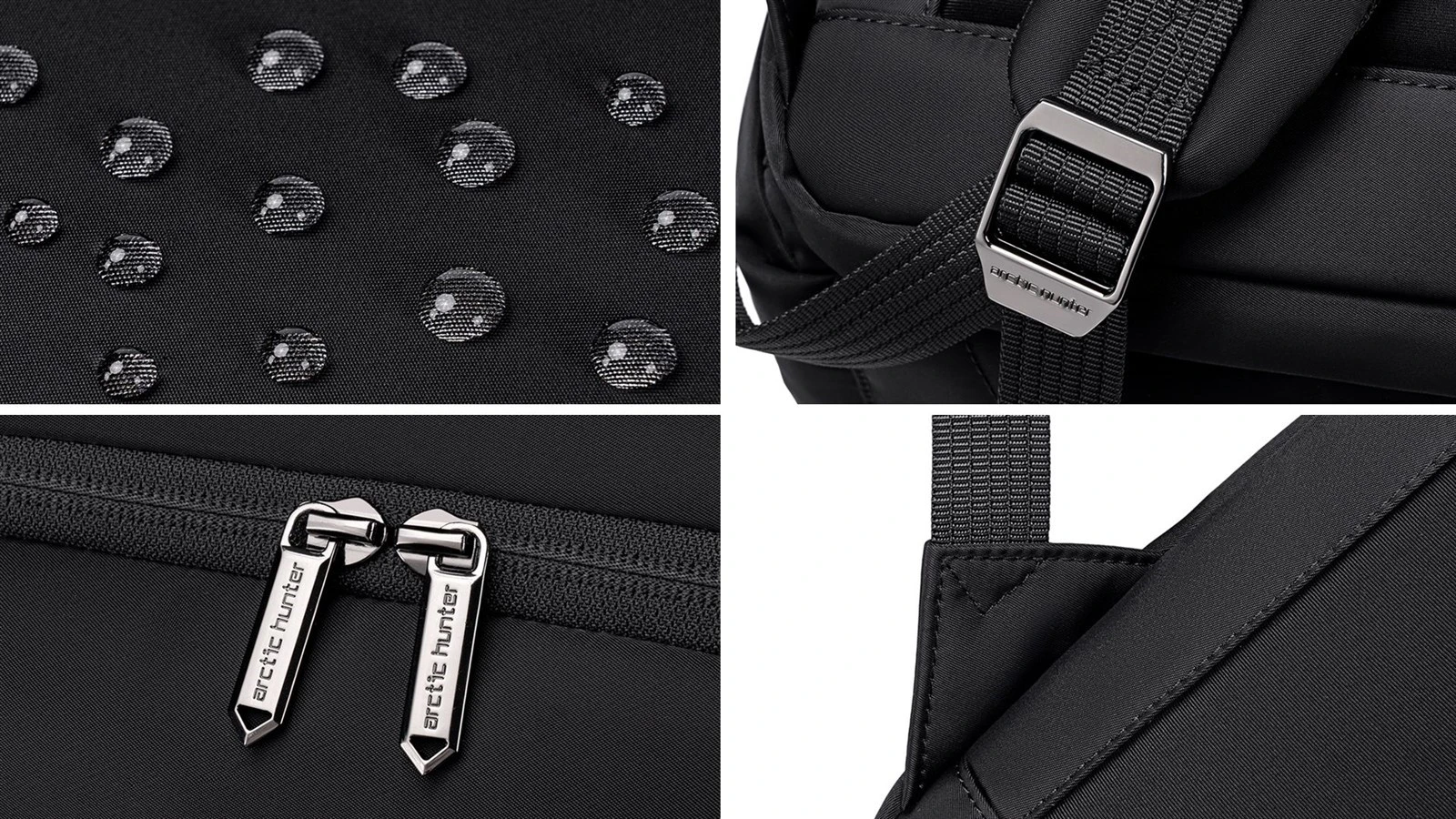
Durable fabric, reinforced stitching and dependable zippers can support longer product life. Water-repellent materials can also provide additional protection during daily commuting, although they should not automatically be treated as fully waterproof.

5 Check the Travel Friendly Features

For users who travel regularly, several features can make a noticeable difference:

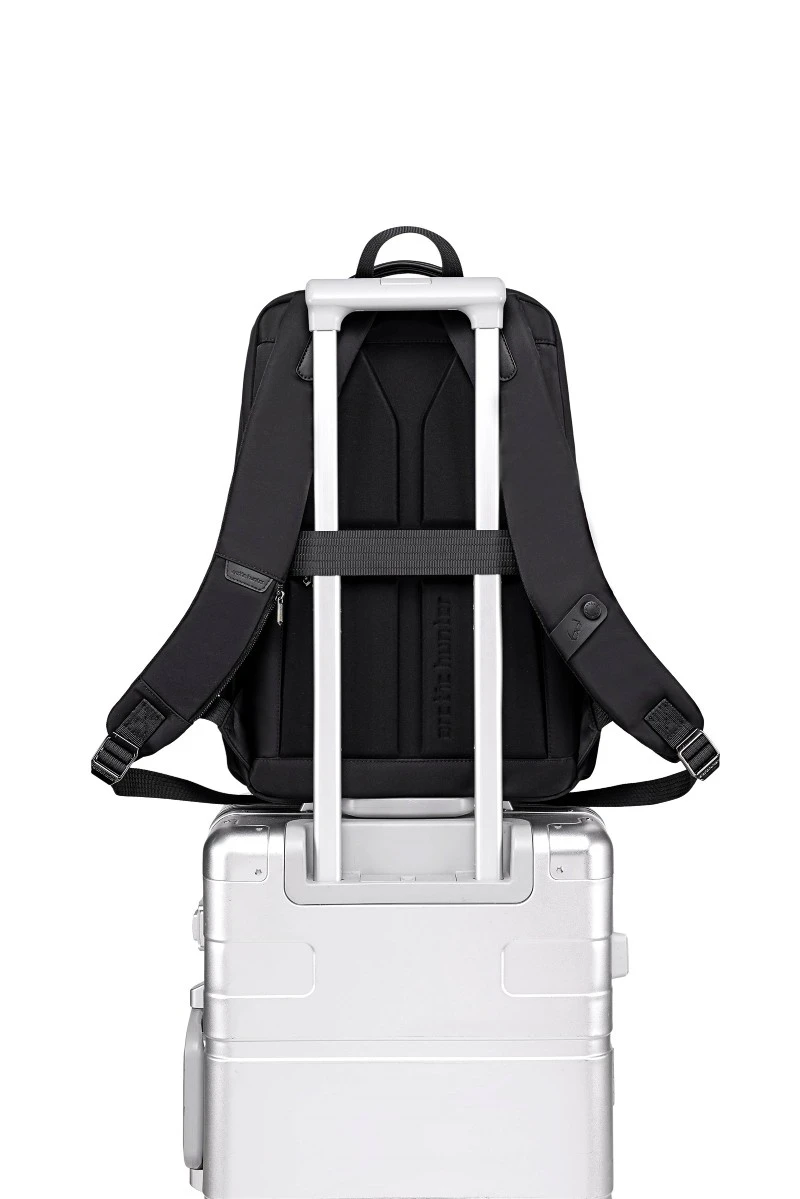
  • A luggage strap for attaching the backpack to a suitcase
  • Expandable storage for short trips
  • Hidden or anti-theft pockets
  • Easy-access document compartments
  • Multiple carrying options
  • A structured shape that remains stable when packed

The most useful features depend on the user’s routine. A commuter may value quick access, while a frequent traveller may prefer expandable capacity and suitcase compatibility.

6 Keep the Design Appropriate for Business Settings

A business backpack should work with different professional environments. Clean lines, balanced proportions and restrained colours are generally easier to use in offices, meetings and business travel situations. The bag should look professional without sacrificing the organization and comfort required for everyday use.

Choose Around the Way You Move

The right business backpack is not necessarily the model with the most compartments or the largest capacity. It is the one that fits the user’s laptop, working routine, travel frequency and preferred carrying style.

Arctic Hunter develops business and travel bags around real working and mobility needs, combining organized storage, carrying comfort and modern business design.

EXPLORE ARCTIC HUNTER BUSINESS BACKPACKS →

Leave a Reply

Your email address will not be published. Required fields are marked *